MOT cost .

Mini

One

85,885 MOT tests analysed. sits above the UK fleet average — here's where Ones pass, fail, and end up on the retest sheet.

That's 5.4 points above the UK fleet average across our 1,984 tracked models — a confident result.

Pass

82.9%

Pass-after-fix

4.6%

Fail

12.1%

Avg miles

58,318

Pass + Pass-after-fix + Fail = 100%

Performance by cohort

3 year bands · 85,885 tests

Pass rate climbs 9.8 points across the cohorts — newer One examples clear the test more reliably than the early cars.

Pre-2018 cohort 77,491

Pass

82.1%

Fail

12.6%

PRS

4.8%

Avg mileage at test

61,668 mi

2018–2020 cohort 5,898

Pass

89.2%

Fail

7.1%

PRS

3.4%

Avg mileage at test

30,047 mi

2021+ cohort 2,496

Pass

91.9%

Fail

6.3%

PRS

1.5%

Avg mileage at test

21,211 mi

Cohort = vehicle's first-registration year band. Same model, different generations of build.
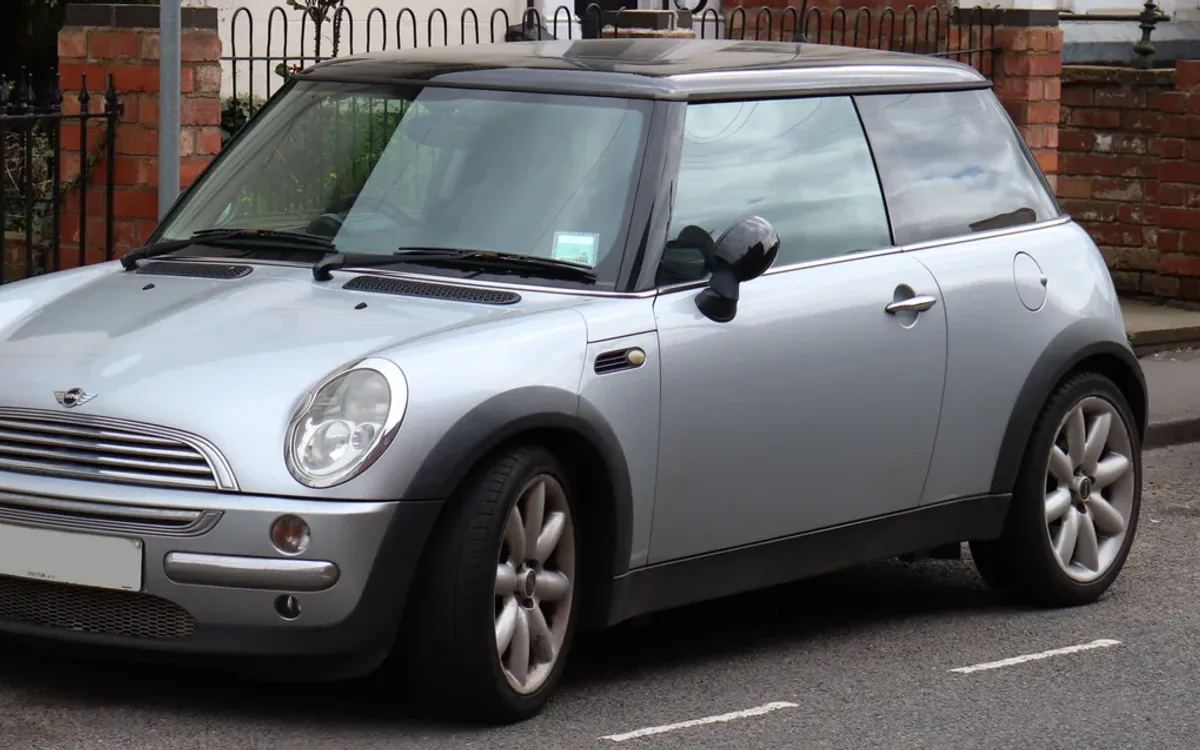
Generations on file · 3

Mini One · UK market

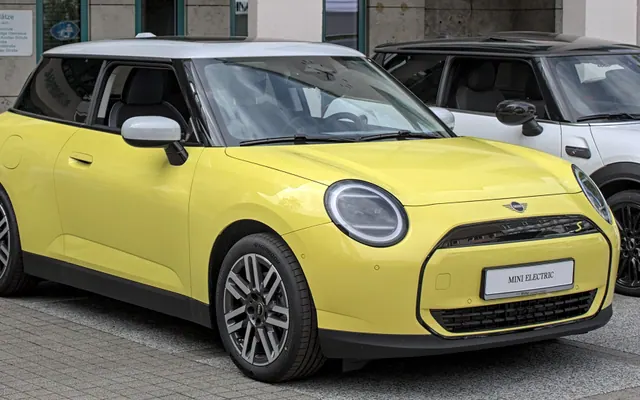
Mini One 2001-2006

20012006

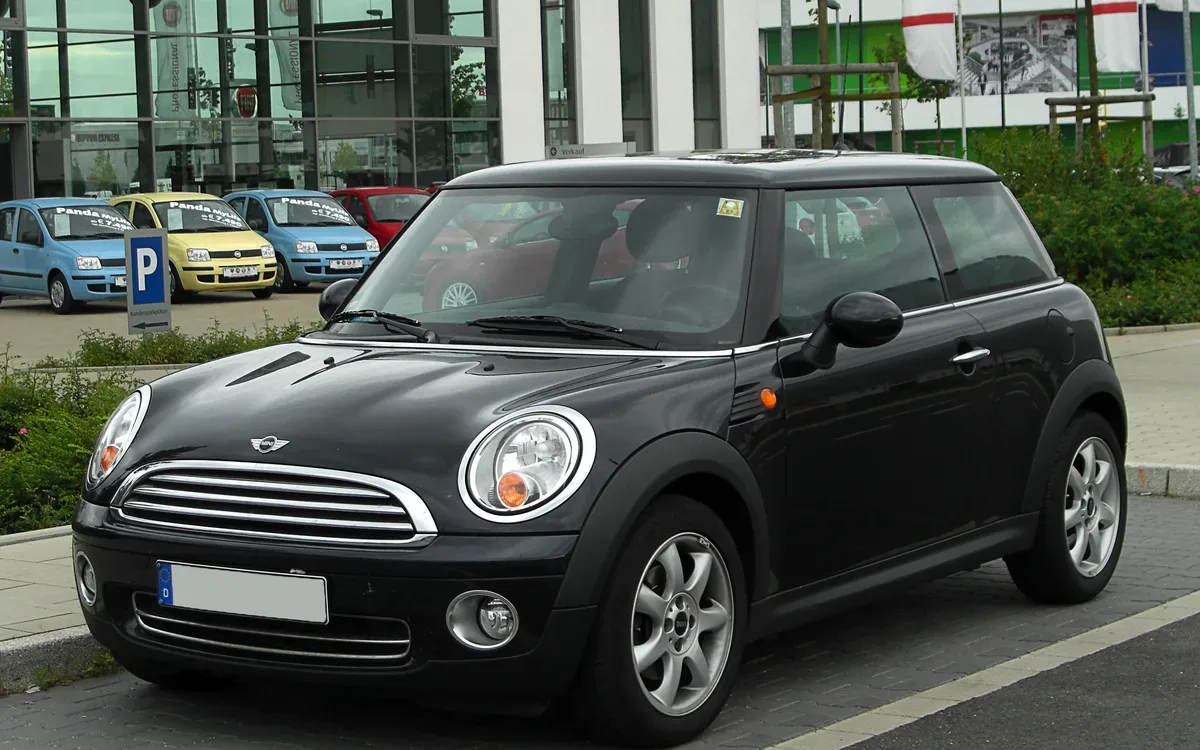
Mini One 2006-2013

20062013

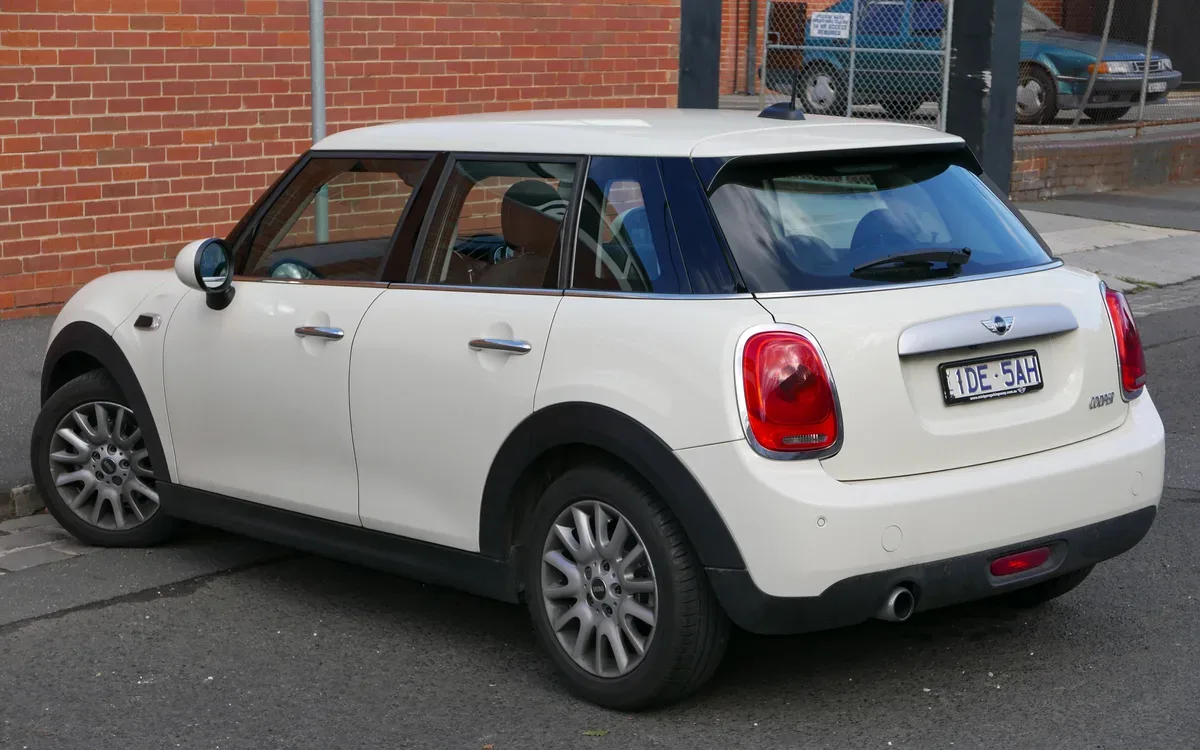
Mini One 2013-2022

20132022

Photos: Wikimedia Commons · CC BY-SA / CC BY / public domain.

The picture

Mini One: solid MOT record across 54,666 tests

The Mini is a supermini car which has been made since April 2001. Colloquially known as the New Mini, all four generations have been produced as three-door hatchbacks and two-door convertibles, with a five-door hatchback body style added from the third generation.

MOT data from 54,666 tests puts this car on a 82.2% first-time pass rate, above the UK fleet average. Average mileage at test is 53,118 miles. The most common fail item is cracked or discoloured windscreen, followed by inoperative wiper blade.

For used buyers, the One's pass rate suggests it clears the MOT with fewer surprises than most — but the top failure items above are still worth a pre-purchase inspection, particularly on higher-mileage examples.

ABI Insurance Group

Group 13–22

Below the fleet average — generally reasonable to insure. Lower groups cost less to insure; UK fleet average is around Group 22.

Source: ABI Group Rating Panel · administered by Thatcham Research · groups cover standard variants; performance trims may sit higher. Browse all insurance groups →

13–22

out of 50

Compare quotes →

Top ten reasons for rejection.

Filter failures:

  1. 01

    Windscreen or window damaged or seriously discoloured but not adversely affecting driver's view

    2,541 occurrences · 3.0% of tests

  2. 02

    A rear registration plate lamp or light source missing or inoperative in the case of multiple lamps or light sources

    1,577 occurrences · 1.8% of tests

  3. 03

    Wiper blade missing or obviously not clearing the windscreen

    1,305 occurrences · 1.5% of tests

  4. 04

    Tyre tread depth not in accordance with the requirements

    1,182 occurrences · 1.4% of tests

  5. 05

    Wiper blade defective

    1,069 occurrences · 1.2% of tests

  6. 06

    a brake lining or pad worn below 1.5mm

    1,022 occurrences · 1.2% of tests

  7. 07

    A lamp missing, inoperative or in the case of a multiple light source more than 1/2 not functioning

    932 occurrences · 1.1% of tests

  8. 08

    A tyre seriously damaged

    904 occurrences · 1.1% of tests

  9. 09

    Stop lamp with a multiple light source up to 1/2 not functioning

    627 occurrences · 0.7% of tests

  10. 10

    A tyre cords visible or damaged

    535 occurrences · 0.6% of tests

Counts cover Major and Dangerous defects logged at test. Advisory items excluded so this shows why a car was rejected, not just what the tester flagged in passing.

Worst-case fix budget · top 4 failures

£108£220

If every one of this One's most-logged Major fails hit at the same MOT, that's the real-world UK garage range. Reality is usually one or two items, not all of them. Open the estimator →

Try the calculator

Build your own retest budget.

Year-band analysis

Best year to buy. Worst to avoid.

First-time MOT pass rate split by registration band. A 9.8-point gap between bands means the year you buy Mini One has a real effect on what turns up at the garage.

Best band to buy

91.9%

2021+ registration

the 2021-on band climbs to 91.9% — a 9.8-point improvement. Tests in this band average 21,211 miles — roughly 40K miles fewer on the clock than the older band. Failures here are mostly wear items: has a cut in excess of the…, blade defective — the structural issues that drag down older examples don't appear in the top-10 for this band. Post-2020 examples are early in their MOT life and generally show the cleanest records.

Band to be cautious about

82.1%

Pre-2018 registration

On the older band (pre-2018), the data shows a 82.1% pass rate against a fleet average of 91.9% on the newer band. The main culprits logged at test: damaged but not adversely affecting driver's view, inoperative in the case of multiple lamps…, and does not clear the windscreen effectively. Average mileage on test for this band is 61,668 miles — high-mileage wear items are a recurring theme.

Best band to buy: 2021+ (91.9% first-time pass). Worst band to avoid: pre-2018 (82.1% pass). That's a 9.8-point spread across 77,491 older tests and 2,496 newer ones — year of build makes a material difference on this model.

Year-spread leaderboard →

Tools that pre-empt a retest.

Picked against this car's top failure patterns. Affiliate links to Amazon UK — we earn a small cut at no cost to you. Disclosed up-front, doesn't shape the data.

My Motor World · affiliate

Parts & supplies for this fix

Affiliate links — small commission, no extra cost to you.

Click Mechanic · affiliate

Book a mobile mechanic

Affiliate links — small commission, no extra cost to you.

Mobile mechanic · UK-wide

Book a mechanic at your door.

Fixed-price quotes upfront. No garage needed. Click Mechanic sends a vetted local mechanic to you — home, work, or roadside.

Get a quote →

Buying or keeping an One?

Use the failure ranking as a pre-test checklist or a haggling lever. Treat the headline pass rate as a fleet-wide trend, not a guarantee on any individual car.

If you own an One and your last MOT looked nothing like the ranked failures above, that's normal — individual cars vary widely. The ranking shows the patterns testers flag most often across the country.