MOT cost .

Hyundai

Iload

3,776 MOT tests analysed. runs below the UK fleet average — here's where Iloads pass, fail, and end up on the retest sheet.

That's 9.9 points below the UK fleet average across our 1,984 tracked models — buyers should expect more first-time fails than the typical UK car.

Pass

67.6%

Pass-after-fix

5.8%

Fail

25.1%

Avg miles

112,083

Pass + Pass-after-fix + Fail = 100%

ULEZ borderline — check VRM

Some examples of this model are borderline — a small number of diesels were certified Euro 6 before September 2015. Check your registration on the government's ULEZ checker to be certain. Daily charges if driven in the zone: London £12.50 · Birmingham £8.00 · Bristol £9.00 .

UK ULEZ & CAZ guide →

Performance by cohort

2 year bands · 3,768 tests

Pass rate drops 1.2 points across the cohorts — recent Iload examples are doing worse than the early cars at the same tested age.

Pre-2018 cohort 3,563

Pass

67.6%

Fail

25.5%

PRS

5.6%

Avg mileage at test

114,866 mi

2018–2020 cohort 205

Pass

66.3%

Fail

20.5%

PRS

9.8%

Avg mileage at test

66,589 mi

Cohort = vehicle's first-registration year band. Same model, different generations of build.
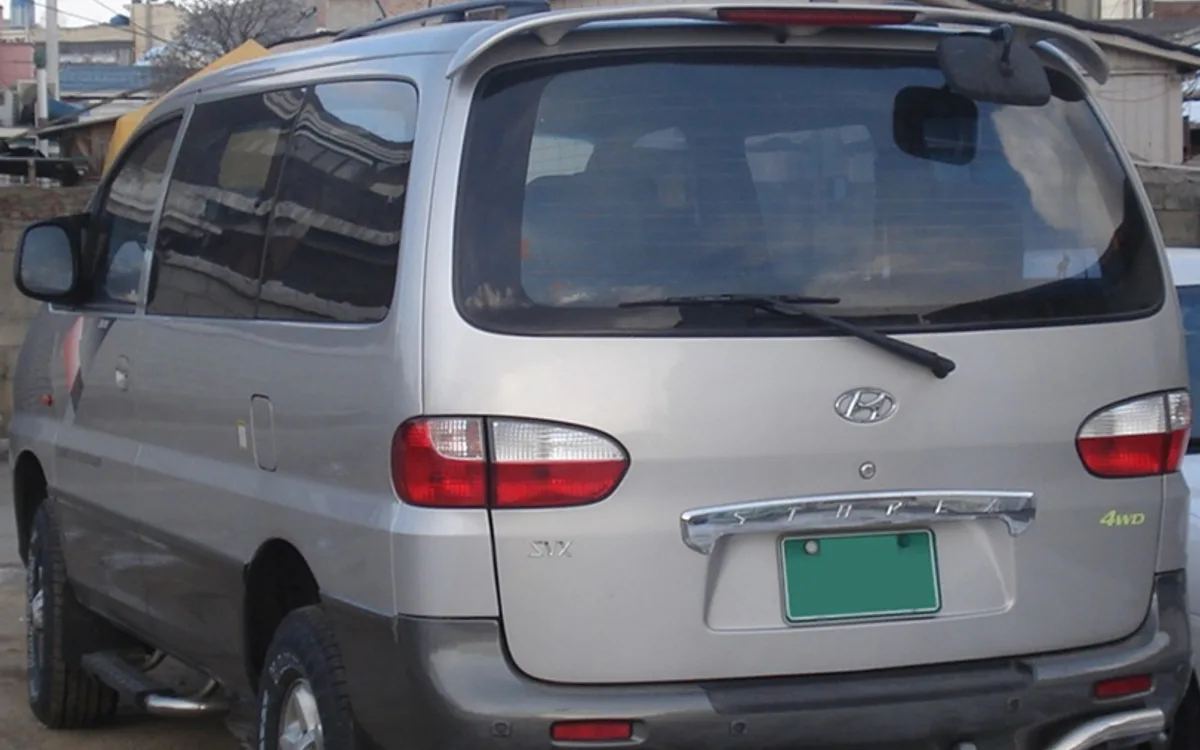
The picture

Iload: a below-average pass rate worth digging into

Across 2,486 MOT tests, the Iload returns 66.6% first-time pass — well below the UK fleet average. The single most-logged Major fail is a number-plate lamp out. A weak handbrake and a broken or weak spring round out the top three. Average tested mileage sits at 108,868, which is the lens to read those failure rankings through. If you own one and the next test is close, the ranked list below is a sensible pre-test checklist.

ABI Insurance Group

Group 10–26

Below the fleet average — generally reasonable to insure. Lower groups cost less to insure; UK fleet average is around Group 22.

Source: ABI Group Rating Panel · administered by Thatcham Research · groups cover standard variants; performance trims may sit higher. Browse all insurance groups →

10–26

out of 50

Compare quotes →

Top ten reasons for rejection.

Filter failures:

  1. 01

    A rear registration plate lamp or light source missing or inoperative in the case of multiple lamps or light sources

    314 occurrences · 8.3% of tests

  2. 02

    Parking brake efficiency below minimum requirement

    179 occurrences · 4.7% of tests

  3. 03

    Windscreen or window damaged or seriously discoloured but not adversely affecting driver's view

    176 occurrences · 4.7% of tests

  4. 04

    A spring or spring component fractured or seriously weakened

    160 occurrences · 4.2% of tests

  5. 05

    A lamp missing, inoperative or in the case of a multiple light source more than 1/2 not functioning

    131 occurrences · 3.5% of tests

  6. 06

    Significant brake effort recorded with no brake applied indicating a binding brake

    116 occurrences · 3.1% of tests

  7. 07

    The aim of a headlamp is not within limits laid down in the requirements

    95 occurrences · 2.5% of tests

  8. 08

    Parking brake inoperative on one side

    92 occurrences · 2.4% of tests

  9. 09

    A rear registration plate lamp or light source missing or inoperative in the case of a single lamp or all lamps

    90 occurrences · 2.4% of tests

  10. 10

    Reflector defective or damaged by up to 50% of the reflecting surface

    81 occurrences · 2.1% of tests

Counts cover Major and Dangerous defects logged at test. Advisory items excluded so this shows why a car was rejected, not just what the tester flagged in passing.

Worst-case fix budget · top 2 failures

£88£275

If every one of this Iload's most-logged Major fails hit at the same MOT, that's the real-world UK garage range. Reality is usually one or two items, not all of them. Open the estimator →

Try the calculator

Build your own retest budget.

Year-band analysis

Best year to buy. Worst to avoid.

First-time MOT pass rate split by registration band. A 1.2-point gap between bands is modest — the year you buy Hyundai Iload makes a small but real difference to MOT outcomes.

Best band to buy

67.6%

Pre-2018 registration

the older band (pre-2018) climbs to 67.6% — a 1.2-point improvement. Failures here are mostly wear items: inoperative in the case of multiple lamps…, damaged but not adversely affecting driver's view — the structural issues that drag down older examples don't appear in the top-10 for this band.

Band to be cautious about

66.3%

2018–2020 registration

On the 2018–2020 band, the data shows a 66.3% pass rate against a fleet average of 67.6% on the newer band. The main culprits logged at test: inoperative in the case of multiple lamps…, fractured, and does not clear the windscreen effectively. Average mileage on test for this band is 66,589 miles — high-mileage wear items are a recurring theme.

Best band to buy: pre-2018 (67.6% first-time pass). Worst band to avoid: 2018-2020 (66.3% pass). That's a 1.2-point spread across 205 older tests and 3,563 newer ones — year of build makes a material difference on this model.

Year-spread leaderboard →

Tools that pre-empt a retest.

Picked against this car's top failure patterns. Affiliate links to Amazon UK — we earn a small cut at no cost to you. Disclosed up-front, doesn't shape the data.

My Motor World · affiliate

Parts & supplies for this fix

Affiliate links — small commission, no extra cost to you.

Click Mechanic · affiliate

Book a mobile mechanic

Affiliate links — small commission, no extra cost to you.

Mobile mechanic · UK-wide

Book a mechanic at your door.

Fixed-price quotes upfront. No garage needed. Click Mechanic sends a vetted local mechanic to you — home, work, or roadside.

Get a quote →

Recall history

3 UK recalls on record.

The Iload has 3 official UK vehicle recalls covering defect details, remedies, and affected build dates.

See all recalls

Buying or keeping an Iload?

Use the failure ranking as a pre-test checklist or a haggling lever. Treat the headline pass rate as a fleet-wide trend, not a guarantee on any individual car.

If you own an Iload and your last MOT looked nothing like the ranked failures above, that's normal — individual cars vary widely. The ranking shows the patterns testers flag most often across the country.